Key takeaways
- Pest control leads are driven by urgency, seasonality, trust, and neighborhood proof. The buyer wants the problem gone and wants to know you are safe to bring into the home.
- The best pest control marketing turns local questions into useful education: what to do about ants, wasps, rodents, termites, mosquitoes, ticks, and recurring prevention.
- Recurring plans matter. A one-time pest inquiry can become a quarterly or seasonal customer when follow-up is simple and professional.
- White Glove Leads helps pest companies show up in local Facebook and town groups, then sends exclusive qualified leads by email and dashboard (SMS coming soon).
Pest control leads often start with a moment of panic: ants in the kitchen, scratching in the attic, wasps near the deck, mice in the garage, mosquitoes ruining the yard, or a termite concern after a neighbor's inspection. The buyer wants a local pro who can respond, explain, and solve the problem without making the house feel unsafe.
That makes pest control a natural fit for community-based marketing. People ask neighbors what worked, who came quickly, who was careful around kids and pets, and who did not oversell them. This guide shows how pest control companies can turn those local conversations into qualified exclusive leads.
Why pest control demand is local and seasonal
Pest demand moves with weather, housing stock, yards, nearby woods, restaurants, construction, and neighborhood patterns. A warm spring can change ant and mosquito calls. A cold snap can move rodents indoors. One wasp nest post in a town group can remind twenty homeowners they have the same issue.
Urgency
drives the first call
Seasonality
shapes demand
Prevention
builds recurring value
The pest control topics that generate leads
Good pest content is useful without being alarmist. It helps homeowners understand what they are seeing, when DIY is risky, and when a professional inspection or treatment makes sense.
- Ants: kitchen trails, entry points, repeat treatment, and prevention around foundations.
- Wasps and hornets: nest safety, deck and eave issues, and when not to spray alone.
- Rodents: attic noises, garage activity, exclusion, sanitation, and follow-up visits.
- Termites: warning signs, inspections, moisture, damaged wood, and why early assessment matters.
- Mosquitoes and ticks: yard treatments, events, pets, kids, and seasonal prevention plans.
- General plans: quarterly service, exterior barriers, rental properties, and small commercial spaces.
How local groups turn questions into calls
Town groups are where homeowners post the first version of the problem: "Anyone else getting ants?" "Who handles wasp nests?" "Heard scratching in the attic - recommendations?" These threads are a live map of demand. The pest company that answers helpfully becomes the name people remember when the issue moves from annoying to urgent.
In pest control, the helpful answer today often becomes the service call when the homeowner decides they are done dealing with it.
For the mechanics of community posting, read how to get leads from Facebook groups. The key is to be useful and local, not fear-based or spammy.
How to qualify pest control leads
Pest control qualification should be quick because many buyers are anxious. Get enough detail to understand fit, urgency, safety considerations, and the right next step.
- Confirm the town, property type, and whether it is residential, rental, restaurant, office, or other commercial space.
- Ask what pest or sign they are seeing: insects, droppings, damage, sounds, nests, bites, or activity patterns.
- Clarify where the issue is: kitchen, attic, basement, yard, eaves, garage, crawlspace, or exterior perimeter.
- Ask about kids, pets, allergies, tenants, access, and timing constraints.
- Book inspection, treatment, or estimate with a clear arrival window and prep instructions.

From one-time call to recurring plan
A pest lead should not always end with one treatment. Many problems have a prevention story: seasonal barriers, quarterly service, mosquito plans, tick treatments, rodent exclusion, or annual inspections. The first call solves the immediate pain. The follow-up explains how to keep it from returning.
- Offer prevention only after you have acknowledged the immediate issue.
- Explain the why in plain language: entry points, breeding cycles, moisture, food sources, or seasonal pressure.
- Use reminders around local seasons instead of generic year-round promotions.
- Make plans easy to understand: what is included, how often visits happen, and when customers should call between services.
How White Glove Leads helps pest companies
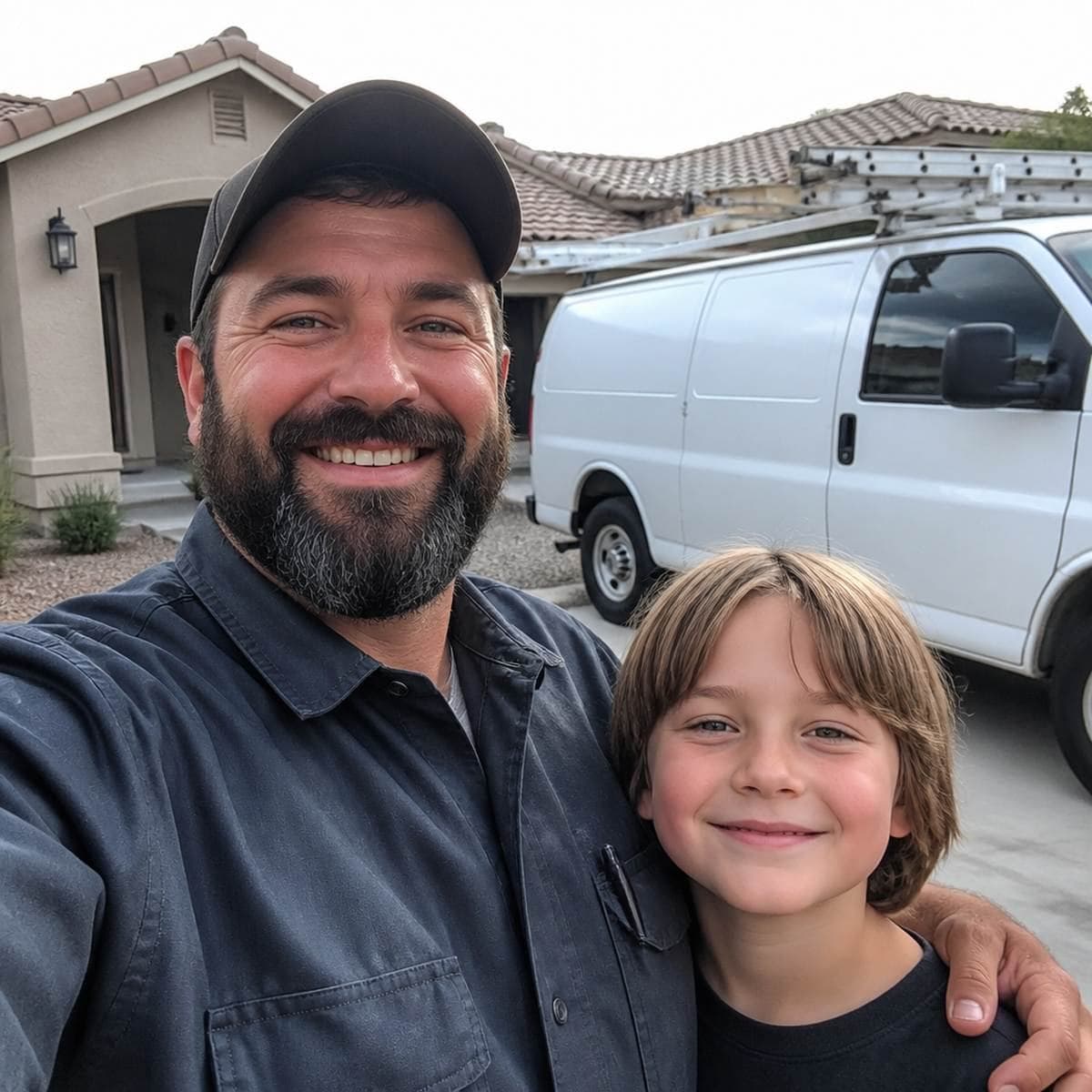
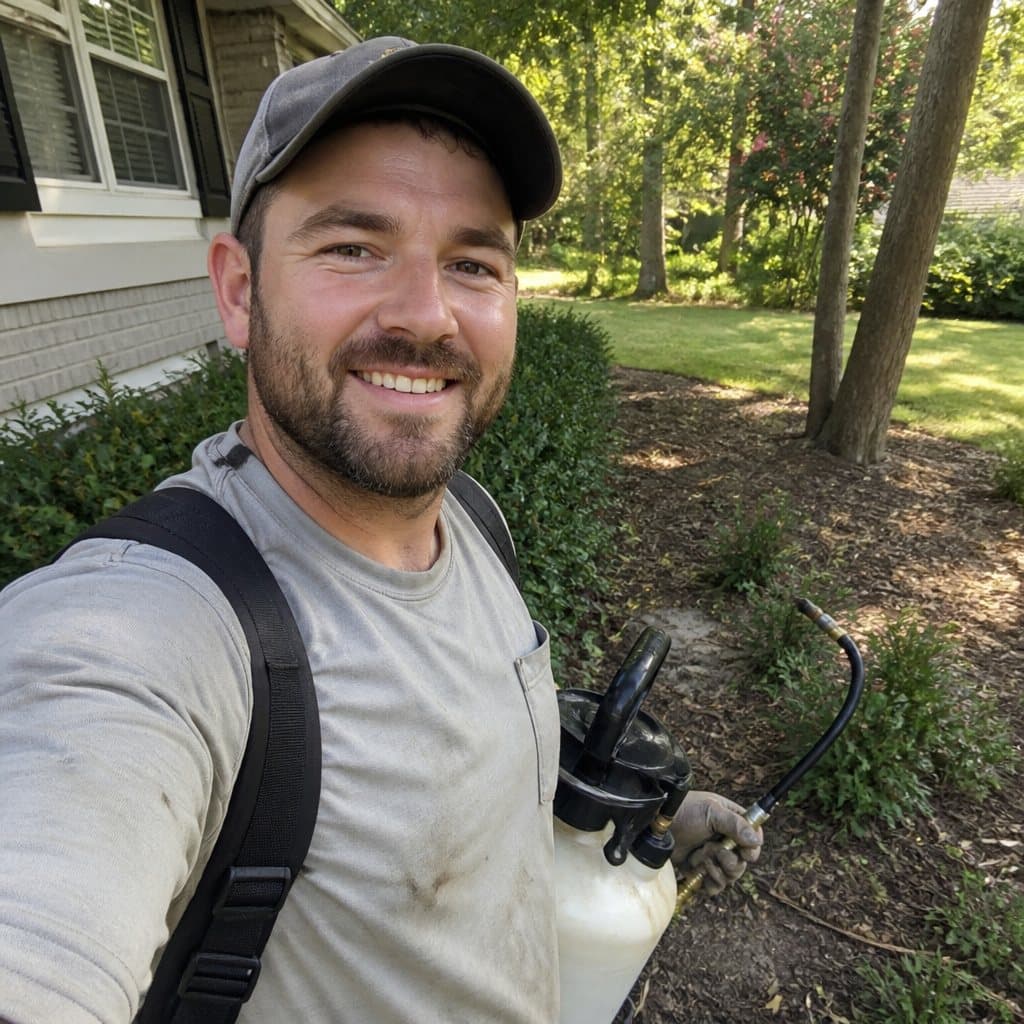
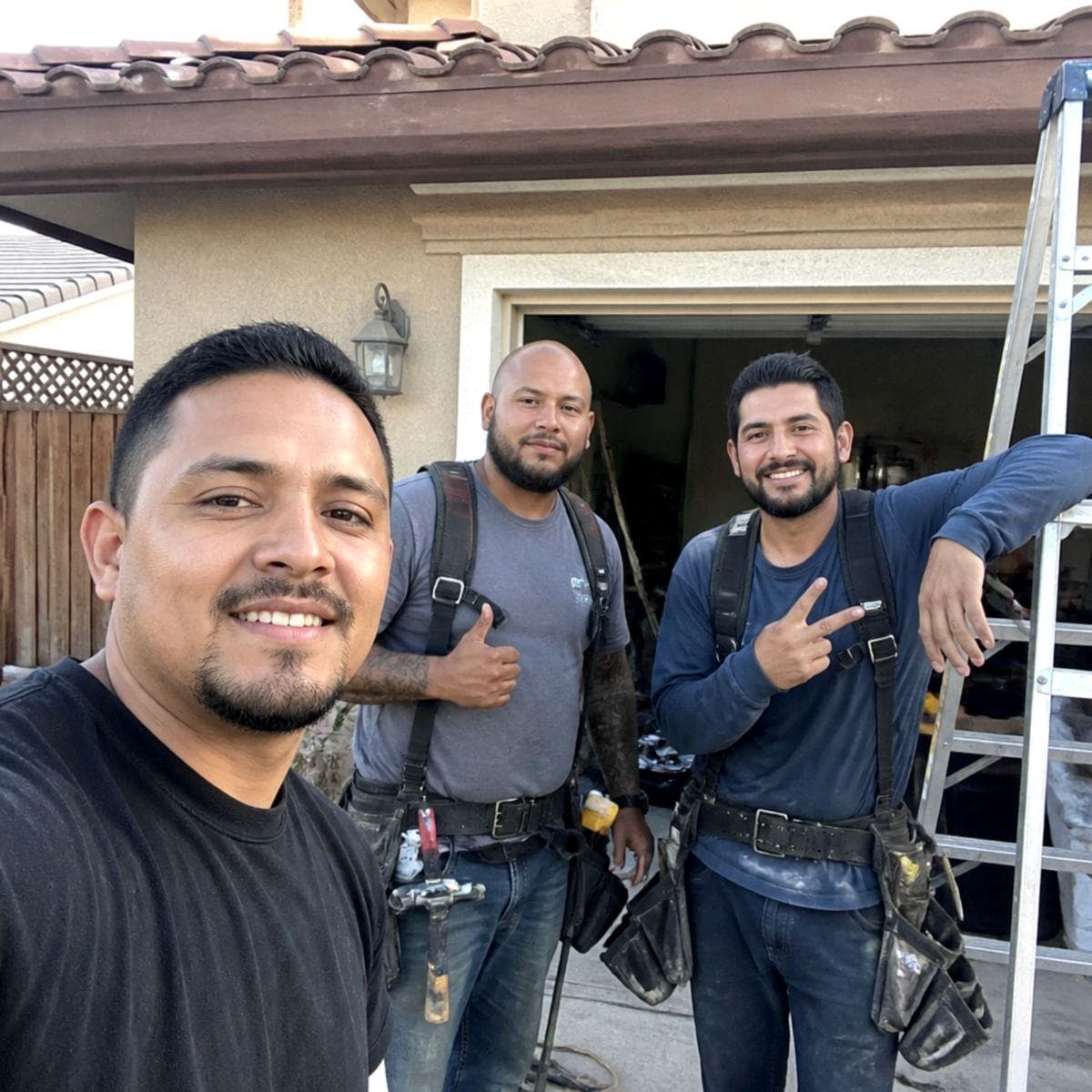
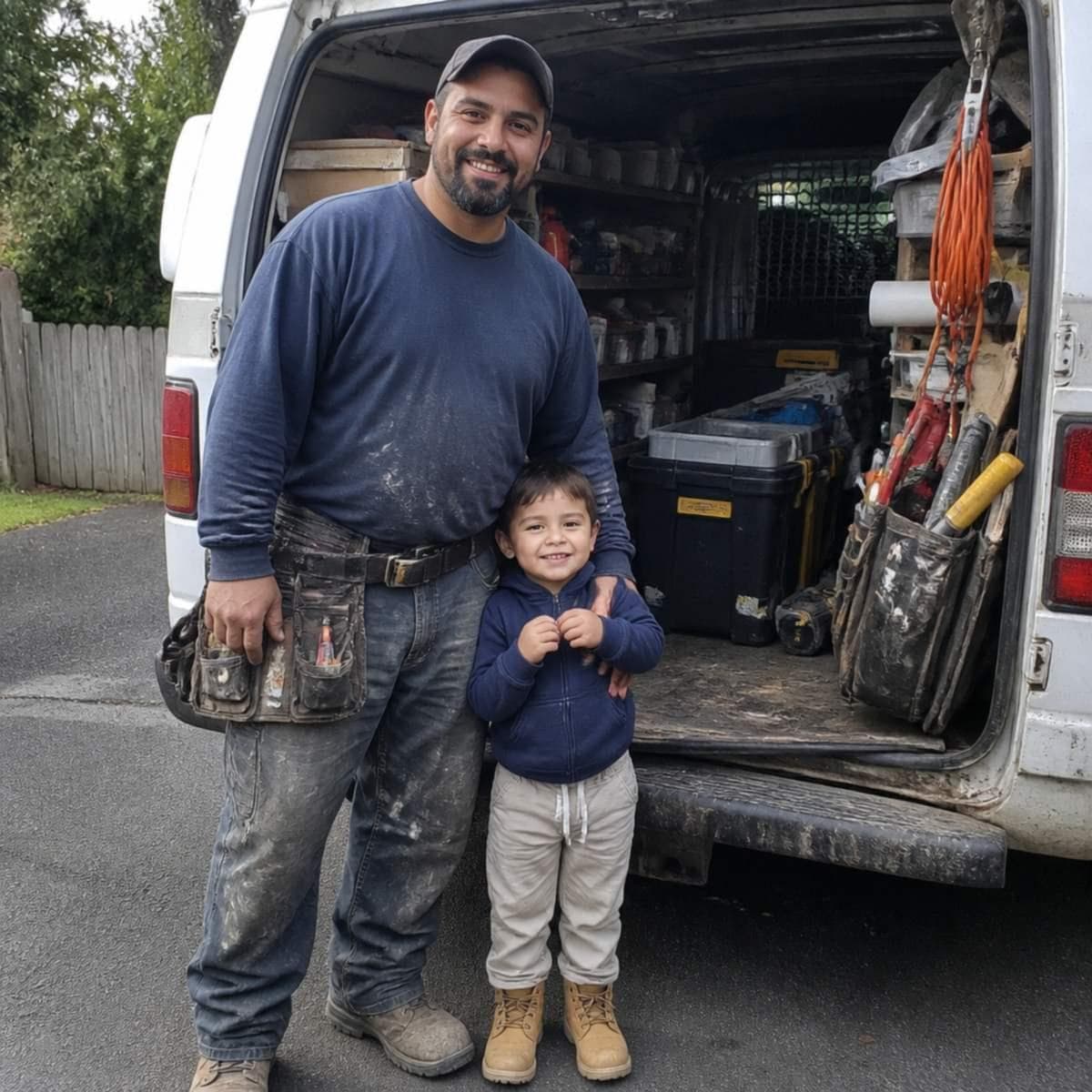
White Glove Leads drafts done-for-you local Facebook and town group marketing (we post) for pest control companies and other home services. We use personal photos, useful local posts, and community-safe storytelling to create demand before and during peak seasons.
When a homeowner or property owner raises their hand, the lead is qualified and sent instantly by email and dashboard (SMS coming soon). Territory exclusivity means one pest control business per category per zip code, so your team can respond like the recommended local pro instead of chasing a shared lead.
Frequently asked questions
How do pest control companies get more local leads?+
Pest control companies get more local leads by educating homeowners around seasonal problems, showing local proof, responding quickly to urgent inquiries, asking for referrals, and staying visible in neighborhood groups before peak demand.
What should pest control companies post on Facebook?+
Post practical seasonal tips, warning signs, safe next steps, service-area reminders, technician introductions, and plain-English explanations for ants, wasps, rodents, termites, mosquitoes, ticks, and prevention plans.
What makes a pest control lead qualified?+
A qualified pest control lead includes name, phone, location, pest issue or symptoms, property type, urgency, and any safety or access notes needed to schedule an inspection or treatment.
Should pest control companies focus on one-time calls or recurring plans?+
Both matter. One-time urgent calls create immediate revenue, while recurring and seasonal plans build steadier value. The first service should solve the urgent problem, then the follow-up can explain prevention.
Does White Glove Leads work for pest control companies?+
Yes. White Glove Leads runs local Facebook and town group marketing for pest control companies and sends exclusive qualified leads by email and dashboard (SMS coming soon), one business per category per zip code.
Become the pest company your town remembers
Done-for-you local group marketing and exclusive qualified leads delivered by email and dashboard (SMS coming soon).