
Key takeaways
- Local Facebook groups are where neighbors actually ask for recommendations — 'Anyone know a good plumber?' posts get answered within minutes, and the businesses named in those threads win the job.
- The businesses that win in groups post stories, not ads. A before-and-after with a real customer's problem outperforms a discount graphic every time.
- Consistency beats intensity. Two or three genuinely useful posts per week, every week, builds the name recognition that turns into inbound calls.
- If you'd rather not run this yourself, done-for-you services like White Glove Leads draft the marketing, join groups and post for you, and deliver exclusive, qualified leads with a name, phone number, and project scope.
Every day, in nearly every town in America, someone opens their community Facebook group and types a version of the same question: "Anyone know a good roofer?" or "Looking for a reliable house cleaner — recommendations?" Within an hour, that post has fifteen comments. Within a day, someone has been hired. The entire buying decision — awareness, research, referral, and selection — happened inside one thread, and Google was never opened.
That is why local Facebook groups have quietly become one of the highest-converting lead sources available to small businesses. The leads are warm, local, and pre-sold by social proof. The problem is that most businesses either ignore groups entirely or approach them so poorly that they get muted, removed, or ignored. This guide covers how to do it right.
Why local Facebook groups convert so well
A lead from a local Facebook group is fundamentally different from a lead from an ad or a directory. When a neighbor recommends your business in a thread, the person asking receives three things at once: a name, a vouched reputation, and a sense that "people around here use this company." That is trust you cannot buy with ad spend.
1.8B+
people use Facebook Groups every month
#1
place neighbors ask for local recommendations
0
competitors sharing a group referral with you
Compare that to shared lead platforms, where the same homeowner inquiry is sold to three, four, or five competing businesses who then race to call first and undercut each other on price. We break down that difference in detail in our guide to exclusive leads vs. shared leads.
Step 1: Join the right groups the right way
Start by searching Facebook for your town, county, and nearby suburbs plus words like "community," "neighbors," "living in," "buy/sell," and "recommendations." Most areas have five to fifteen active groups. Prioritize groups with recent daily activity over groups with big member counts — a 4,000-member group where people post every hour beats a 40,000-member ghost town.
- Read each group's rules before posting anything. Many groups restrict business promotion to specific days or threads — violating this once can get you banned permanently.
- Join as a real person or your business page depending on what the rules allow. Profiles with a photo, history, and local details are trusted more than blank accounts.
- Spend the first week just reading. Learn the tone, the recurring questions, and who the active voices are.
Step 2: Post stories, not ads
This is the single biggest thing that separates businesses that win in groups from businesses that get ignored. A post that says "10% off gutter cleaning this month, call now!" reads as an ad, feels like an interruption, and earns almost no engagement. A post that says "A family on Maple Street called us Saturday because their gutters were overflowing into the basement — here's what we found and how we fixed it" reads as a story about your neighborhood, and people engage with it.
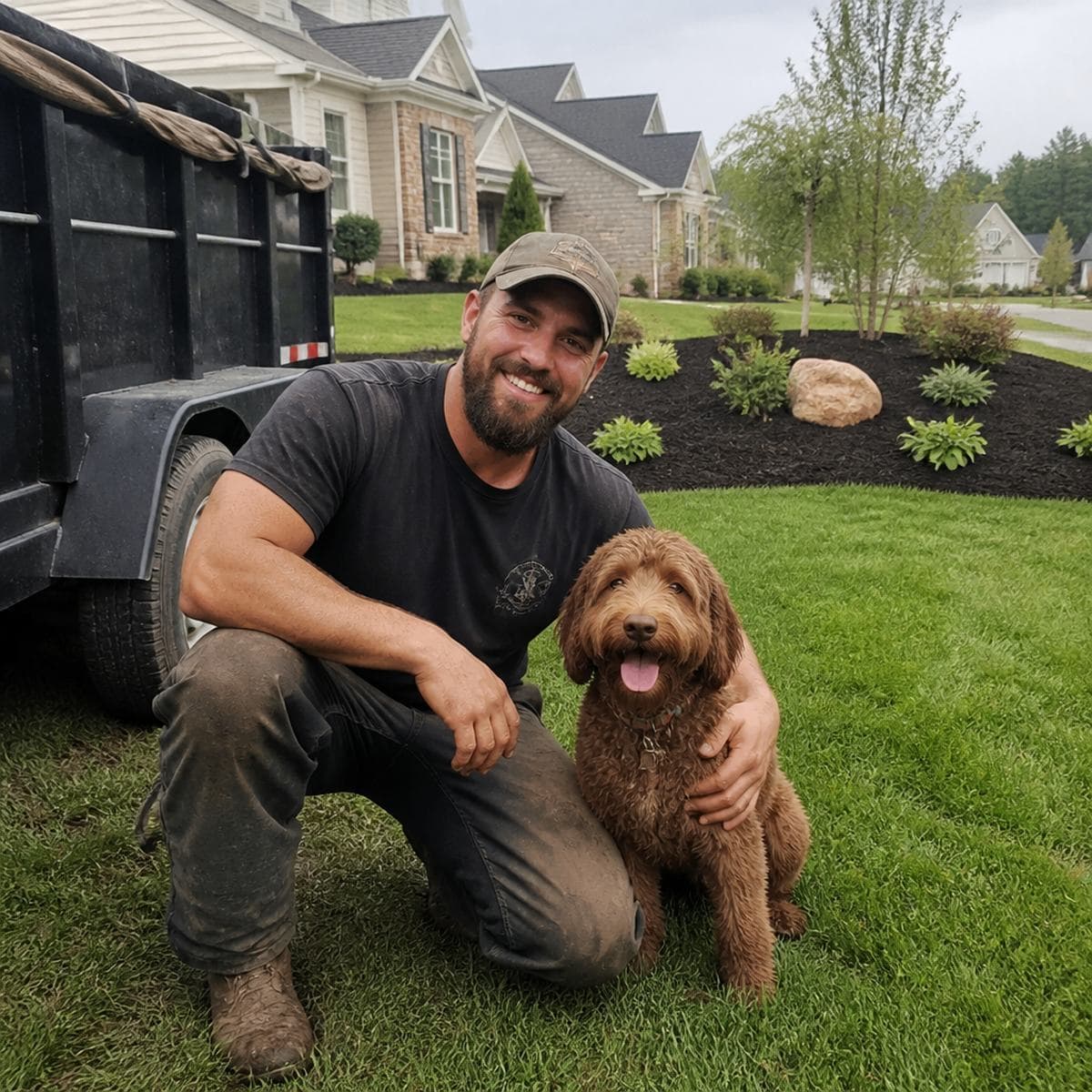
- Before-and-after photos of real local jobs (with the customer's permission) are the highest-performing format across every industry we manage.
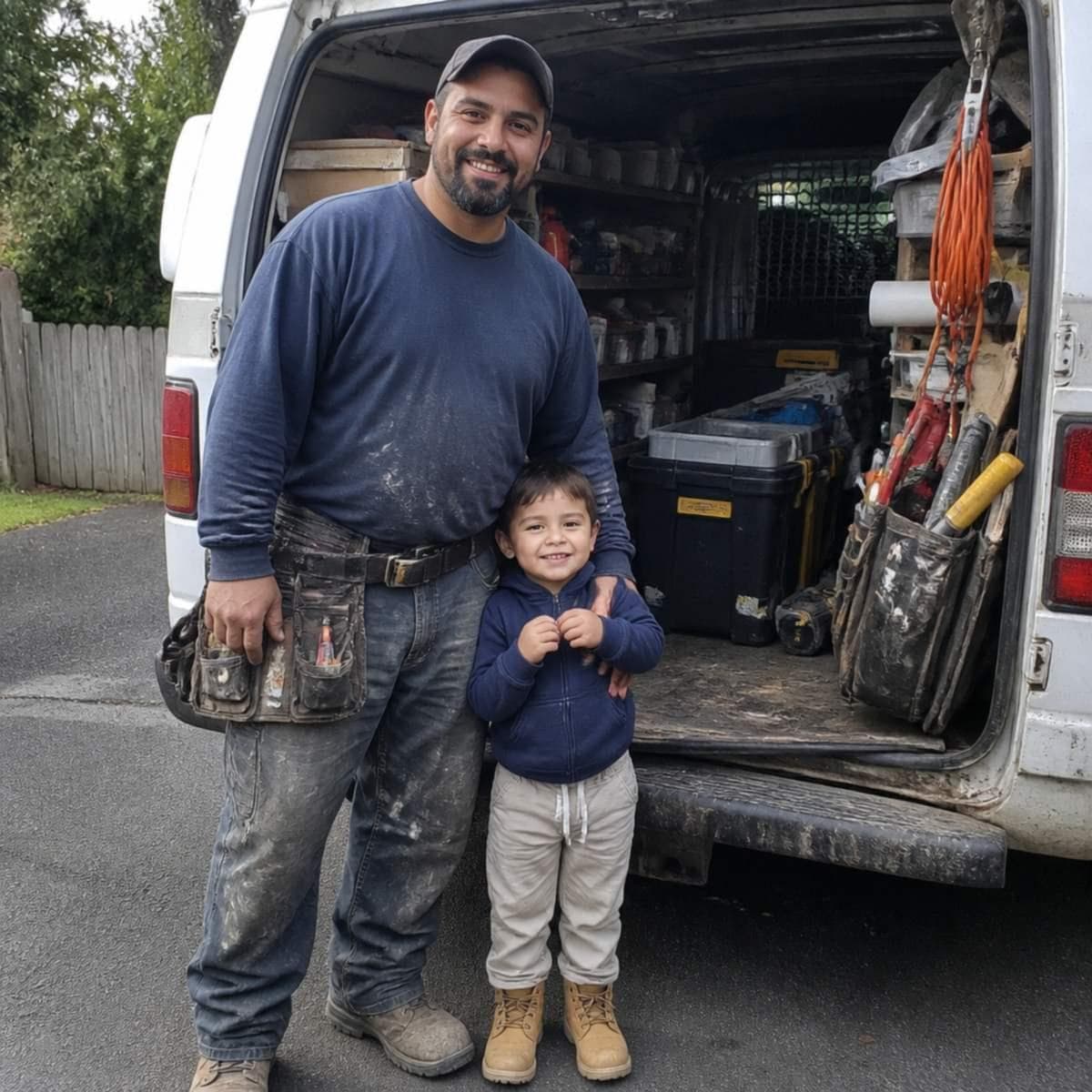
- "Meet the team" posts put a face on the business — people hire people, not logos.
- Seasonal advice posts ("3 things to check on your furnace before the first freeze") position you as the local expert and get saved and shared.
- Answering questions in other people's threads — genuinely, without pitching — builds more goodwill than any post of your own.
Step 3: Show up consistently
One great post does almost nothing. Ten good posts over five weeks changes how a community sees you. The mechanism is simple: the third or fourth time someone sees your business name attached to helpful, local content, you stop being a stranger and become "that company everyone around here seems to use." When their water heater dies or their roof leaks, yours is the name they remember — and the name they type when someone else asks for a recommendation.
A sustainable rhythm is two to three posts per week per group, rotated across the formats above so you never feel repetitive. This is genuinely the hard part for busy owners — not because it is difficult, but because it is relentless. The businesses that stick with it own their market; the ones that post twice and quit see nothing.
Step 4: Convert comments into customers
- Reply to every comment on your posts within a few hours — engagement tells Facebook to show the post to more people.
- When someone shows buying intent ("How much would this cost for a two-story house?"), answer helpfully in the thread, then invite them to message you to talk specifics.
- Move conversations to Messenger or phone quickly. A thread is for trust; a call is for closing.
- Track where every job came from. Owners are consistently surprised by how much of their pipeline traces back to group activity once they start counting.
What to avoid
- Posting the same copy-pasted promo in ten groups on the same morning — members belong to multiple groups and it reads as spam.
- Arguing with negative comments in public. Respond once, politely, and take it to messages.
- Buying engagement or asking friends to plant fake recommendation comments — communities detect this fast, and the reputational damage is permanent.
- Ignoring group rules about promotional posts. Admins talk to each other.
The honest catch: this is a part-time job
Everything above works. The businesses we studied before building White Glove Leads were doing exactly this — and the common thread was that the owner was spending five to ten hours a week writing posts, taking photos, replying to comments, and monitoring threads. That is time most owners simply do not have, which is why most attempts fizzle out by week three.
That is the exact problem White Glove Leads was built to solve. We draft your local Facebook group marketing — storytelling posts, photo direction, and recommendation-thread angles — then join groups and post for you. Every qualified homeowner or customer who raises their hand is delivered to you with a name, phone number, and project scope. One business per trade, per zip code, so your leads are never shared with a competitor.
Frequently asked questions
Do Facebook groups really generate business leads?+
Yes. Local community groups are where neighbors ask for recommendations before hiring, and the businesses named in those threads win the work. Group-sourced leads convert at a higher rate than ads or directories because they arrive with built-in social proof from a neighbor's recommendation.
How often should a business post in local Facebook groups?+
Two to three posts per week per group is the sweet spot — enough to build name recognition without feeling spammy. Consistency over months matters more than any single post.
What should a business post in a local Facebook group?+
Stories about real local jobs (before-and-after photos), meet-the-team posts, seasonal advice, and genuine answers to neighbors' questions. Avoid direct ads and discount graphics — they underperform and can violate group rules.
Is posting in Facebook groups free?+
Posting itself is free, but doing it well takes five to ten hours a week of writing, photography, and engagement. Done-for-you services like White Glove Leads join local groups, draft and post for you for a flat monthly rate, and deliver exclusive, qualified leads.
Can I get banned for promoting my business in Facebook groups?+
Yes, if you violate group rules. Every group sets its own promotion policy — some allow business posts only on certain days or in specific threads. Always read the rules first, and lead with helpful content rather than direct advertising.
Want the leads without the part-time job?
We draft your local Facebook marketing and queue Join/Share for you, then deliver qualified, 100% exclusive leads — name, phone, and project scope included. One business per trade, per zip.