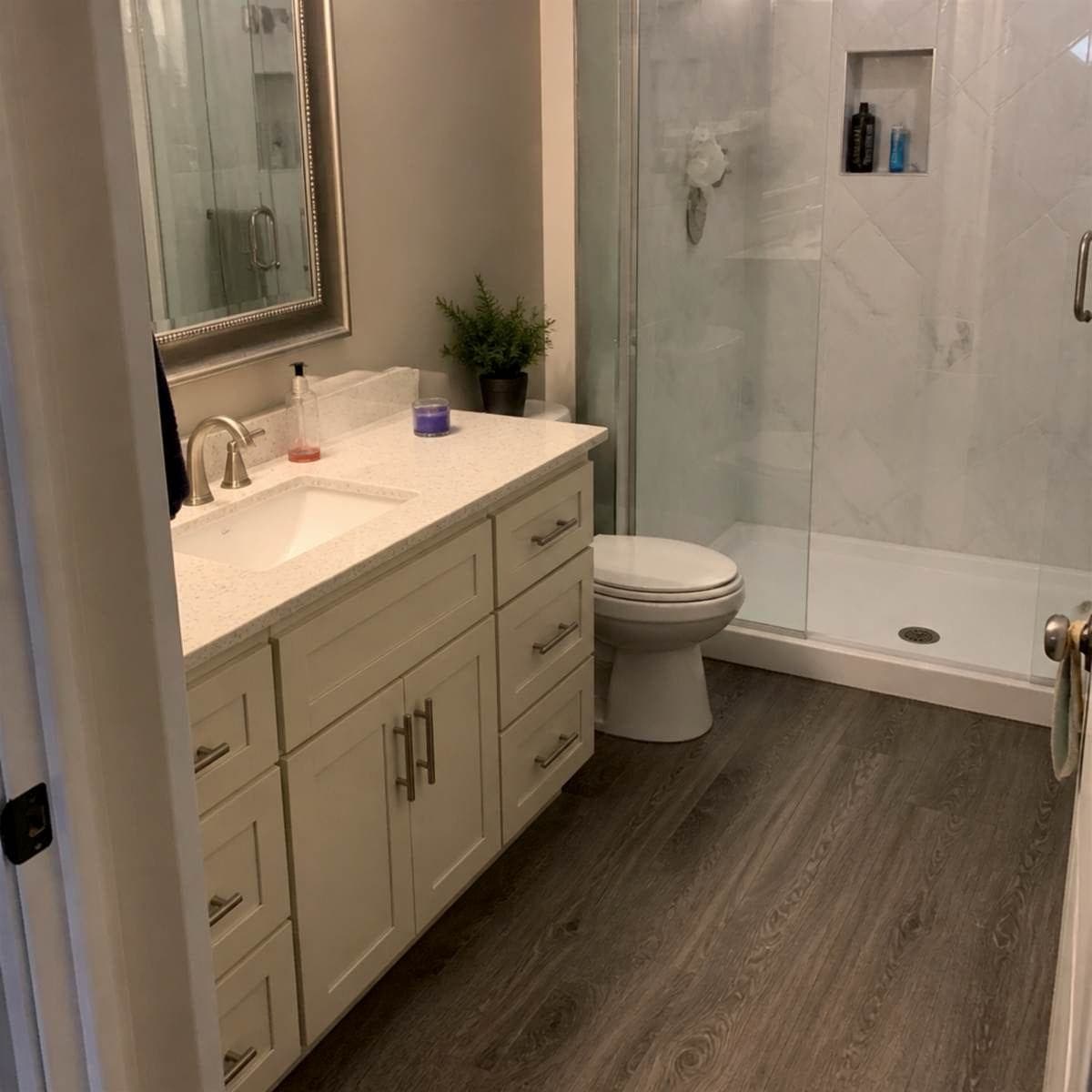
Key takeaways
- Before and after photos convert because they show proof fast, especially in a local feed where neighbors recognize the setting.
- The story matters as much as the result: explain the problem, the constraint, the fix, and what the customer cared about.
- Consent and authenticity are non-negotiable. Use your own work, protect private details, and avoid stock or misleading images.
- White Glove Leads turns real job photos and local storytelling into qualified exclusive leads delivered by email and dashboard (SMS coming soon).
A good before and after post does something a polished ad cannot: it lets the neighborhood see the work with its own eyes. The messy yard becomes a clean edge. The faded color becomes a fresh cut. The empty dining room becomes a packed catering setup. The dented car becomes drivable again. Proof arrives before the pitch.
This guide shows how to use before and after photos in local Facebook groups and community marketing without sounding fake, violating privacy, or relying on stock images. For broader photo strategy, read personal photos for Facebook group marketing.
Why before and after photos convert
Local buyers are trying to answer a simple question: can this business handle my version of the problem? Before and after photos answer quickly. They show context, difficulty, taste, cleanliness, and care. In town groups, they also show that you are active nearby, not just running ads from somewhere else.
Proof
before promises
Local context
before generic polish
Real work
before stock imagery
What makes a strong transformation post
The strongest posts are specific without being technical. They explain what was wrong, what changed, and why it mattered to the customer. This works for remodelers and landscapers, but also salons, detailers, dentists, restaurants, gyms, cleaners, pet groomers, and shops.
- Lead with the customer problem: "This patio was too uneven for family dinners."
- Show both images from a similar angle when possible.
- Mention one constraint: timing, budget range, weather, event date, safety, or cleanup.
- Use a soft local CTA: "If your yard looks like the before photo, happy to take a look."
- Avoid over-editing. People trust clear, normal phone photos more than glossy graphics.

Consent, privacy, and what not to show
Before and after photos are powerful because they are real. That also makes consent important. A customer may love the work and still not want their address, child, license plate, medical detail, legal matter, or messy room broadcast in a town group.
- Ask permission before posting a customer's property, face, vehicle, body, pet, or private setting.
- Crop or blur addresses, license plates, children's faces, paperwork, and anything personally identifying.
- Do not imply a customer endorsed you unless they actually did.
- For sensitive niches, use process shots or anonymized details instead of client-identifying photos.
- Keep a simple note of who gave permission and what they approved.
A photo that breaks trust can cost more than the lead it was supposed to create.
Authenticity beats stock every time
Stock images are tempting because they look clean. In local marketing, that polish often backfires. People in community groups want to know who actually does the work, what the job looked like, and whether the result is believable for their home, business, car, smile, event, or storefront.
- Use your own phone photos when possible.
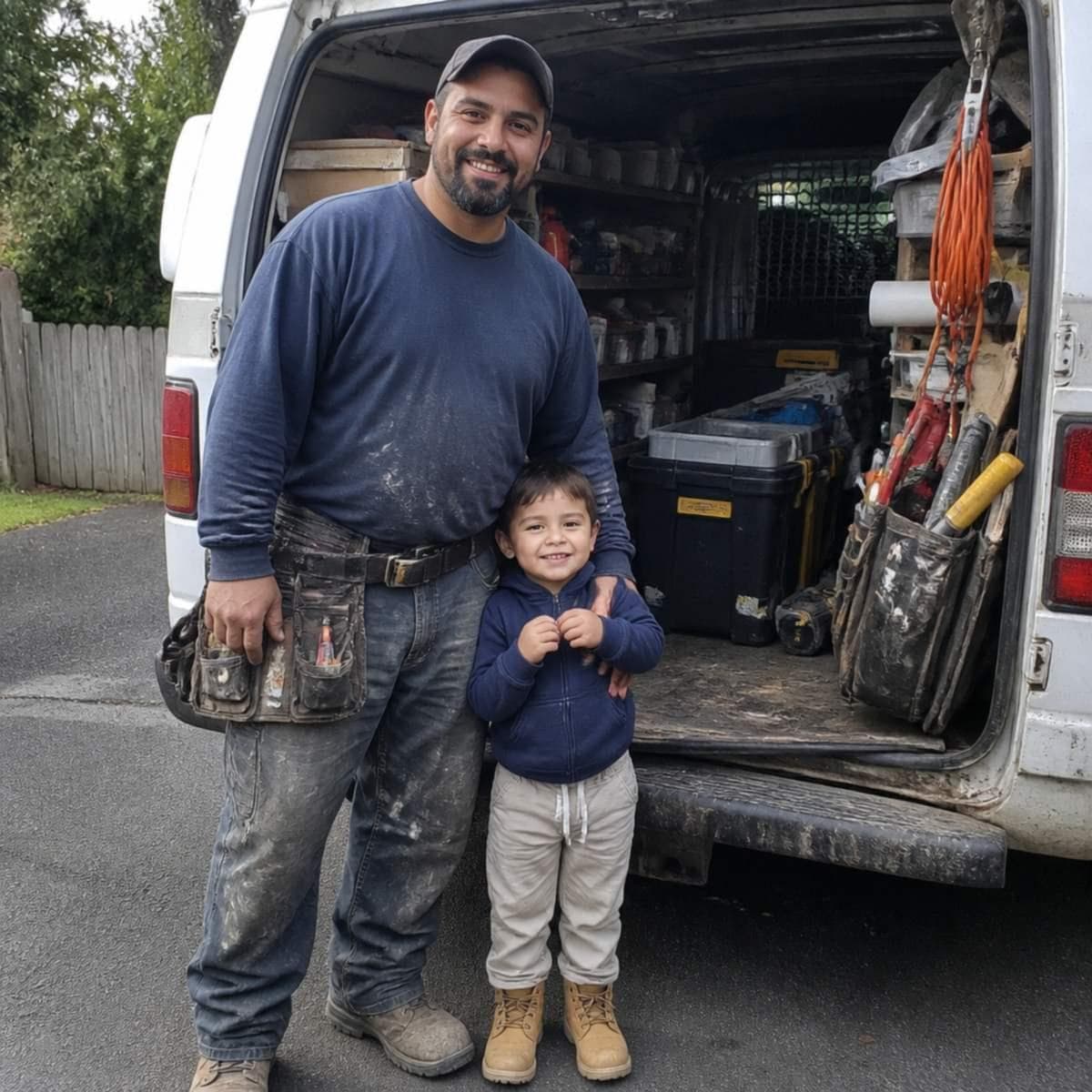
- Include a real team member, truck, storefront, tool, kitchen, chair, or workspace when it helps establish context.
- Show imperfect but honest scenes: cleanup, prep, staging, or the last detail before handoff.
- Never use another company's work as your own.

Caption formula for local Facebook groups
A transformation caption should be short enough for the feed and concrete enough to be useful. Use the same formula until it feels natural.
- Problem: what was frustrating, broken, outdated, unsafe, or inconvenient?
- Local context: where or what kind of situation was it?
- Fix: what did your team actually do?
- Result: what changed for the customer?
- Soft close: who should reach out if they are dealing with the same thing?
How White Glove Leads uses real proof
White Glove Leads builds local Facebook group marketing around real personal photos, job stories, and practical proof. We help businesses show up with content that feels native to the community, then qualify interested neighbors and deliver exclusive leads instantly by email and dashboard (SMS coming soon).
Because each zip is exclusive by trade or category, your real photos build recognition for your business, not for a shared marketplace. Learn more about exclusive leads, review pricing, or check your zip at signup.
Frequently asked questions
Do before and after photos help local businesses get leads?+
Yes. Before and after photos show proof quickly, which helps local buyers understand what you can do before they message or call. They work especially well when paired with a plain-language story.
Can I post customer before and after photos in Facebook groups?+
You should get customer permission first and remove private details such as addresses, faces, license plates, paperwork, or anything sensitive. Consent protects trust and prevents avoidable problems.
Should I use stock photos for local marketing?+
Avoid stock photos when showing work results. Local buyers trust real photos from your jobs, team, storefront, or process more than polished images that could belong to anyone.
What should a before and after caption include?+
Include the problem, the local context, what changed, the result, and a soft invitation for people with a similar issue to reach out. Keep it specific and conversational.
Can White Glove Leads use my job photos in marketing?+
Yes. White Glove Leads uses real photos and storytelling in local Facebook groups, then sends exclusive qualified leads instantly by email and dashboard (SMS coming soon) when neighbors respond.
Turn real work into local demand
We use authentic photos and community-safe storytelling to generate exclusive qualified leads in your zip.