Key takeaways
- Windows and doors lead generation is strongest when it connects visible home improvement with comfort, security, curb appeal, and local trust.
- Real project photos, entryway transformations, installer professionalism, and town-specific stories make homeowners more willing to request an estimate.
- Window and door leads should be qualified for project type, count, age, urgency, financing expectations, and decision-maker involvement.
- White Glove Leads drafts done-for-you Facebook and town group marketing (we post), then delivers exclusive window and door leads by email and dashboard (SMS coming soon), one business per category per zip code.
Window and door projects sit in a strange place for homeowners. They are visible enough to change curb appeal, practical enough to affect drafts and comfort, and expensive enough that people hesitate before calling. A homeowner may notice fogged glass, a sticky patio door, rising utility bills, or a dated front entry for months before they finally ask who to call.
That hesitation is why window and door lead generation needs more than a coupon. The best marketing makes your company feel familiar before the estimate request: real local projects, clean installs, helpful explanations, and neighbors seeing your work in the same towns you serve.
Why windows and doors are trust-heavy leads
Replacing windows or doors means drilling into the home envelope. Homeowners worry about leaks, drafts, trim damage, security, product quality, warranties, and whether the finished work will look right from the street. The contractor who explains the process clearly has an advantage before price enters the conversation.
Comfort
starts the conversation
Curb appeal
makes the result visible
Trust
earns the estimate
The local content that creates demand
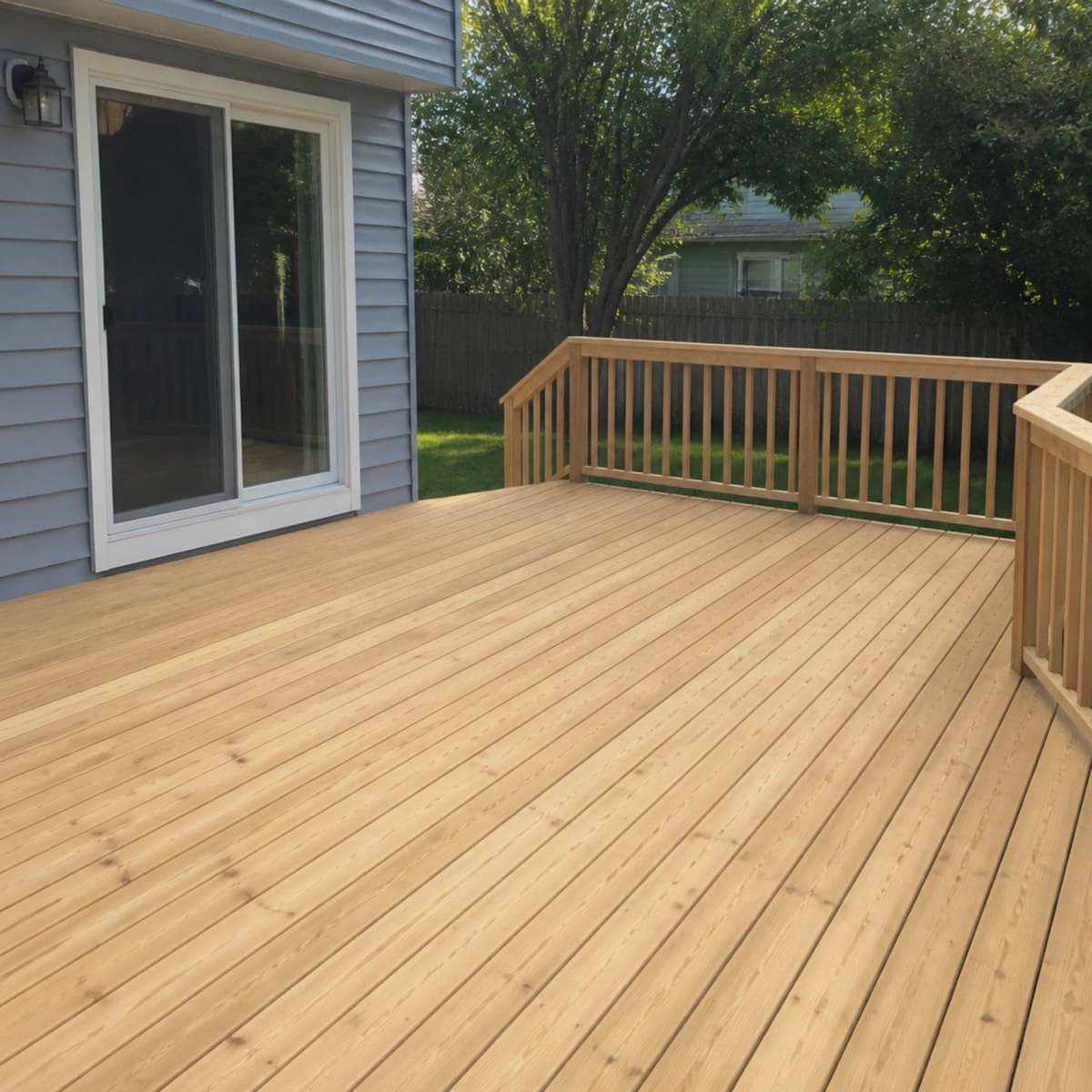
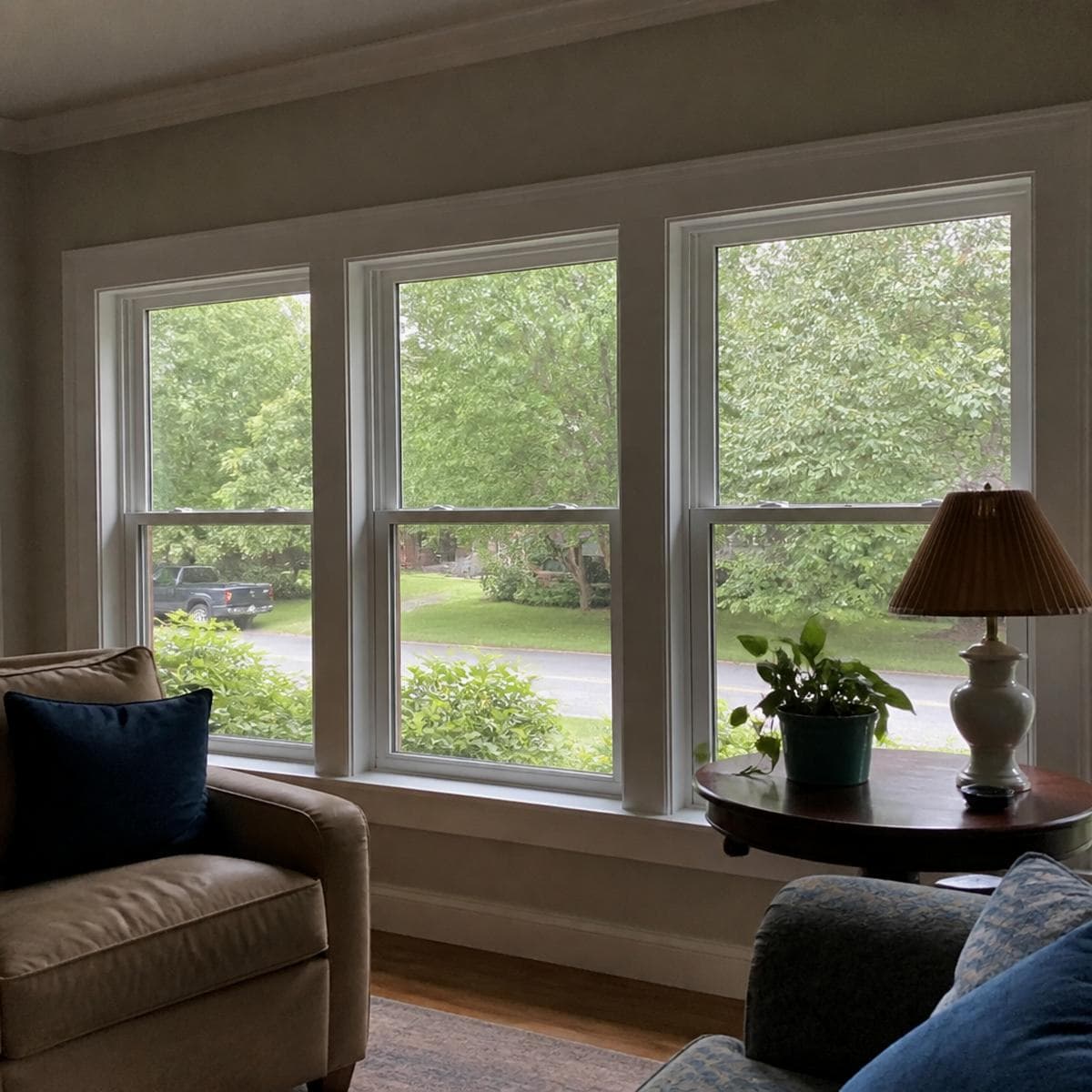
Window and door companies have strong visual proof when they use it well. A front door swap can change the whole face of a home. A bay window can make a room feel brighter. New black exterior frames can modernize an older house. The key is to explain the transformation like a neighbor would, not like a manufacturer brochure.
- Show the old condition. Fogged panes, cracked frames, rotted trim, drafty doors, and dated sidelights create the reason to care.
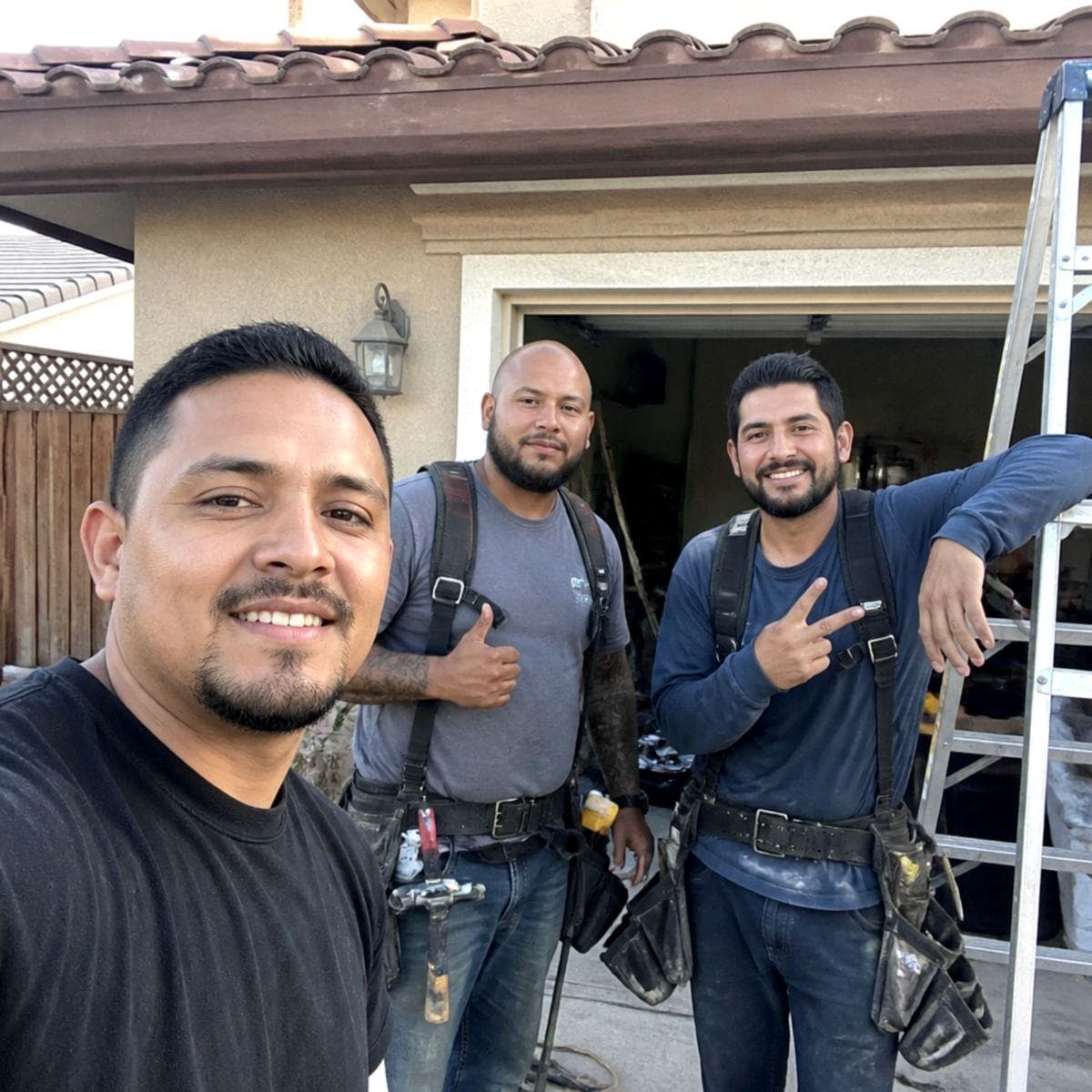
- Show the install moment. A careful crew, protected floors, clean trim work, and respectful jobsite photos reduce anxiety.
- Tell the practical story. Mention comfort, security, easier operation, better light, lower maintenance, or improved curb appeal.
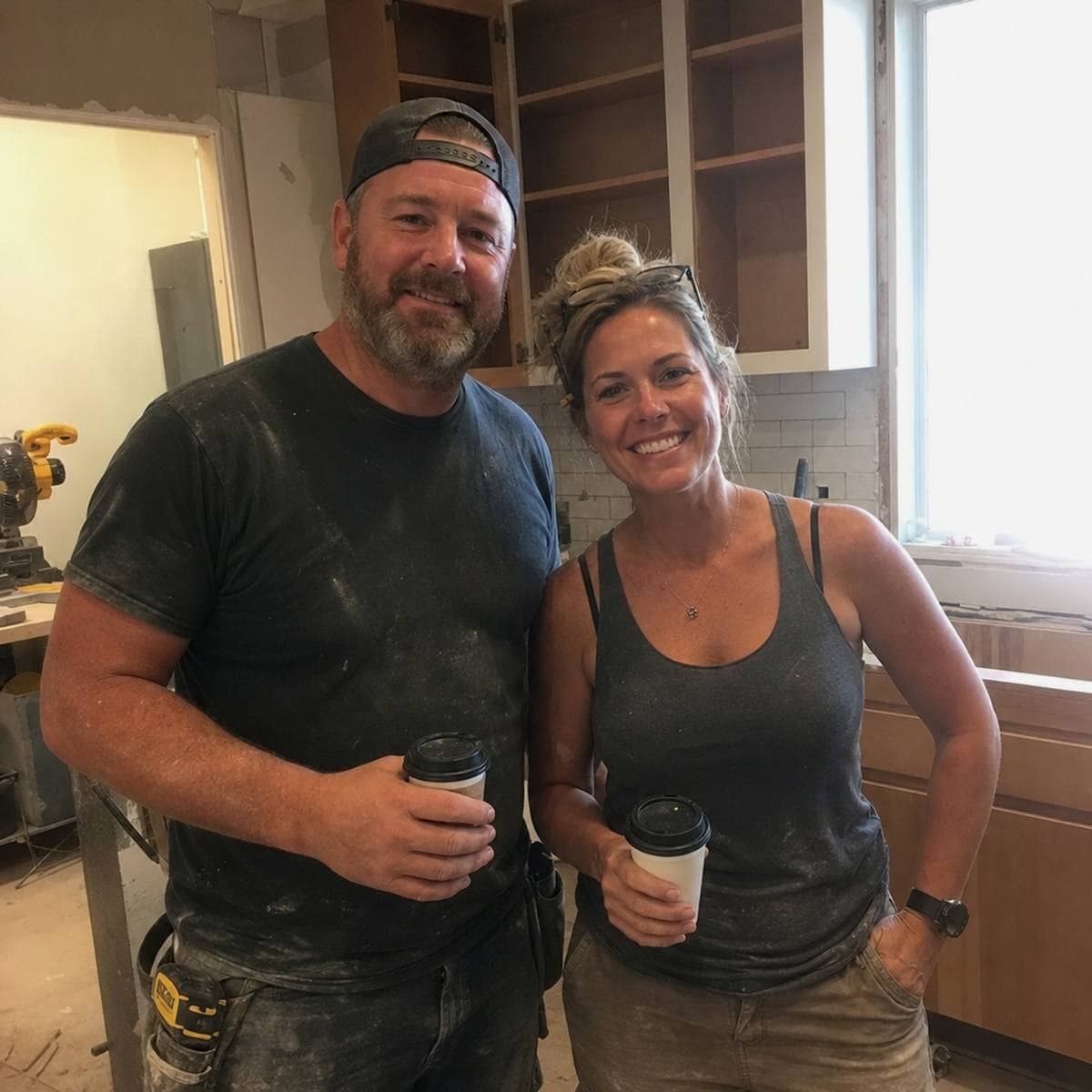
- Use personal photos. Real installers and real homes make the work feel local and trustworthy.
- Keep it town-specific. A project story from a nearby street feels more relevant than a generic regional ad.
The seasons that trigger window and door leads
Some homeowners plan window and door projects around renovations. Others are pushed by a season: winter drafts, spring curb appeal, summer patio use, storm damage, back-to-school schedules, holiday hosting, or pre-listing repairs. Your marketing should show up before those moments become urgent.
- Late winter: drafts, condensation, hard-to-open windows, and planning for spring installs.
- Spring: curb appeal, front entries, screen doors, and exterior refresh projects.
- Summer: patio doors, sliders, sunrooms, noise control, and rooms that overheat.
- Fall: insulation concerns, storm doors, security, and finishing projects before holidays.
- Pre-sale windows: homeowners preparing to list and wanting a cleaner first impression.
The best window and door marketing meets the homeowner before the draft becomes an emergency.
How local Facebook and town groups help
Town groups are full of home improvement research. Homeowners ask who installed a front door, which companies are honest about window replacement, who handles historic homes, and whether a neighbor's new black windows came out well. These conversations are high-intent because they happen inside trusted local networks.
This is where personal photos in Facebook group marketing matter. A real installer, real trim detail, or homeowner-approved curb appeal photo can make the company feel known before a salesperson ever visits the home.

How to qualify window and door leads
Window and door estimates can become time-heavy if scope is vague. A lead should be qualified enough to tell whether it is a single entry door, a whole-home window project, a repair request you do not handle, or a serious replacement opportunity.
- Confirm the town, home type, and whether the inquiry is for windows, exterior doors, patio doors, storm doors, or multiple openings.
- Ask how many units are involved and what problem prompted the inquiry: drafts, damage, style, operation, security, noise, or resale.
- Clarify whether the homeowner wants replacement, repair, custom work, or product guidance.
- Ask about timing, financing expectations, HOA constraints, historic requirements, and who will be involved in the decision.
- Set a clear next step: phone consult, photo review, showroom visit, in-home estimate, or measurement appointment.
Why exclusive local leads fit this category
Shared leads are especially frustrating when the homeowner needs education. If several companies call at once, the conversation can turn into window count and price before anyone understands comfort, product fit, installation quality, or warranty expectations. Exclusive leads give your team room to consult.
How White Glove Leads helps window and door companies
White Glove Leads drafts done-for-you local Facebook and town group marketing (we post) for window and door companies. We turn project photos, entry transformations, installer moments, and helpful seasonal content into group-safe posts that create local familiarity.
When a homeowner reaches out, the qualified lead is delivered by email and dashboard (SMS coming soon). Exclusivity is simple: one business per category per zip code. If your company wants local demand without buying shared inquiries, you can check open territory at signup.
Frequently asked questions
How do window and door companies get better leads?+
Better leads come from local proof, real project photos, clear education, seasonal reminders, fast response, and qualifying homeowners for project type, location, timing, and seriousness.
What should window and door companies post on Facebook?+
Post entryway transformations, old-window problems, installer professionalism, trim details, comfort tips, seasonal reminders, and real local project stories. Avoid manufacturer-only content that feels generic.
What makes a window or door lead qualified?+
A qualified lead includes a reachable homeowner, town, project type, rough number of openings, reason for replacement, timing, decision-maker involvement, and a clear next step for estimate or measurement.
Are shared window leads worth it?+
Shared leads can create activity, but they often put several companies into the same price-first conversation. Exclusive leads are usually better when the project needs education, trust, and a consultative estimate.
Does White Glove Leads work for window and door installers?+
Yes. White Glove Leads uses real local photos and town group marketing to generate qualified exclusive inquiries, then sends them by email and dashboard (SMS coming soon), one business per category per zip code.
Become the local window and door name
Done-for-you town group marketing and exclusive qualified leads for window and door companies.