Key takeaways
- Google Local Services Ads and Google Ads capture high-intent searchers — people actively typing "HVAC near me" — but you pay per lead or click in an auction that never ends.
- Local Facebook groups capture trust-intent: neighbors asking who to hire, with personal photos and recommendations beating any sponsored result.
- Cost and close rates diverge: search ads rent attention; community presence compounds name recognition that keeps producing after you stop "boosting."
- Use Google when you need fill-the-calendar volume; use town Facebook groups as the foundation for exclusive, reputation-driven leads — they complement, they don't replace each other the same way Facebook ads do.
When a local business owner says "I need more leads," the default advice is still Google: Local Services Ads (the Guaranteed badge), Google Ads search campaigns, maybe a Maps push. Those channels work — they catch people who are already typing a buying query. But they're not the only place homeowners decide who to call, and they're not the cheapest place to *earn* trust.
Local Facebook groups are where the other half of the decision happens: *"Who did you use for your AC?"* This guide compares Google Local Services / Google Ads to community group marketing on cost, intent, and trust — and when to use which. (If you're comparing Facebook ads specifically to organic groups, that's a different fight; we cover that in why local Facebook groups beat ads.)
What Google Local Services and Google Ads actually buy you
Google Local Services Ads (LSAs) put you at the top of relevant searches with a call or message button, often billed per lead. Google Ads (search) bids on keywords like "emergency plumber [city]" and charges per click. Both are built for active intent: the homeowner has a problem and is looking for a provider *now*. That's valuable. It's also crowded — you're in an auction with every competitor who can outbid you this week, including national brands and lead aggregators.
- Strength: Clear buying intent and measurable volume — you can see calls, clicks, and cost per lead.
- Weakness: Costs rise with competition; pausing spend pauses the pipeline.
- Trust gap: A Guaranteed badge helps, but it's still a paid placement next to other paid placements — not a neighbor vouching for you.
- Exclusivity: None by default. Multiple businesses in your trade advertise in the same zip for the same keywords.
What local Facebook group marketing buys you
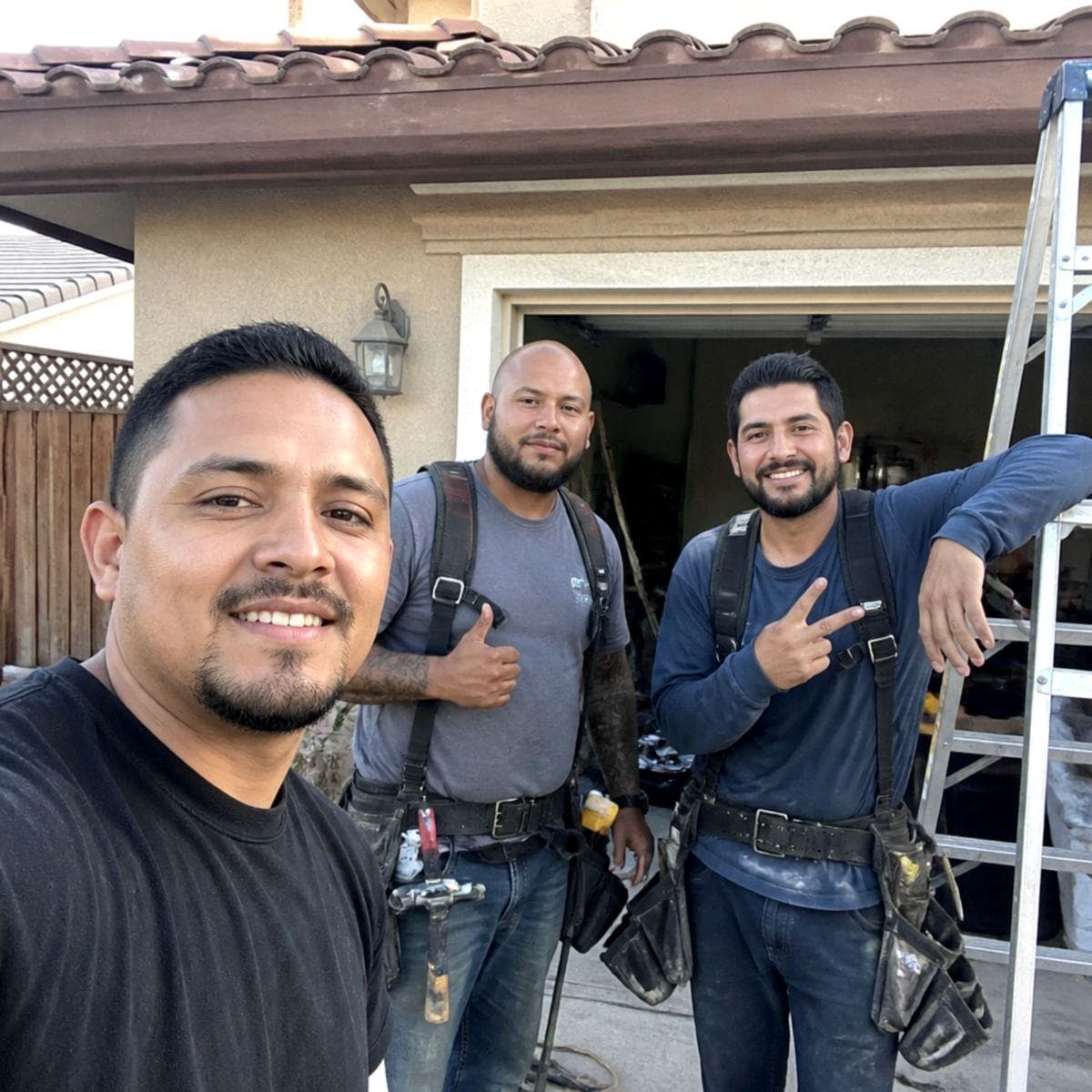
Town and neighborhood Facebook groups are where homeowners ask for recommendations, not just providers. The winning content isn't a coupon graphic — it's personal photos of real jobs, crew faces, before-and-afters, and helpful answers in threads. When three neighbors name the same company, the homeowner often skips the Google shootout entirely. That lead is warmer, and with the right partner it's exclusive to your territory.
Search
intent: "I need someone now"
Groups
intent: "who do you trust?"
92%
trust personal recommendations over ads
Cost: auction vs. compounding
Google pricing is an auction. Popular home-service keywords in competitive metros routinely push cost-per-lead into uncomfortable territory — and you pay whether the caller was a real job or a tire-kicker. Facebook group marketing's cost is mostly consistency: photos, stories, engagement. Done yourself, it's time. Done through a service like White Glove Leads, it's a flat monthly program with exclusive zip rights — not a per-click meter that spikes every heat wave.
The compounding difference matters: an LSA impression disappears when the budget runs out. A job-site story that neighbors engage with keeps working — it gets searched in-group, screenshotted, and remembered when the next "any recommendations?" thread appears.
Intent and trust side by side
- Google: High commercial intent, lower relational trust. You're one of several options in a results page.
- Facebook groups: High relational trust, variable urgency. Some posts are "need someone tomorrow"; others are "planning a remodel next spring."
- Close dynamics: Search leads often collect multiple quotes. Group-sourced leads often call the one name the thread settled on.
- Brand equity: Google doesn't build a local identity; community presence does.
When to lean on Google
Lean on Local Services and Google Ads when you need near-term volume: new market entry, a slow shoulder season, emergency capacity you can staff tonight, or a service line people only search for under duress (burst pipe, no heat). Track cost per booked job — not just cost per lead — and cap spend so the auction doesn't own your margins.
When to lean on Facebook groups
Lean on town Facebook groups when you want durable local preference: higher close rates, less price shopping, and a pipeline that isn't fully rented. This is especially strong for high-consideration home services and multi-niche local brands that win on reputation. Pair it with hard zip exclusivity so you're not building that preference while a competitor buys the same community play. If you're trying to leave shared marketplaces altogether, see home service leads without Angi or Thumbtack.

A practical split for most local businesses
Foundation: consistent community presence (personal photos, town groups, exclusive territory). Layer: Google LSAs or tightly geo-fenced search ads for overflow and emergencies. Avoid making paid search your only door — and avoid treating Facebook *ads* as a substitute for being known in the groups where neighbors actually ask. Instant delivery of warm, exclusive inquiries from community work is what turns reputation into a calendar you can plan around.
Frequently asked questions
Are Google Local Services Ads better than Facebook groups for leads?+
They solve different jobs. LSAs capture people actively searching; Facebook groups build neighbor trust and recommendations. Many businesses get higher close rates from group-sourced leads and use Google for volume and urgency.
How much do Google Local Services leads cost?+
Pricing varies by trade and market, but LSAs are typically billed per lead in a competitive auction. Always measure cost per booked job — not just cost per lead — because not every Google lead closes.
Can I use Google Ads and local Facebook group marketing together?+
Yes — and that's usually the smart setup. Use groups as the reputation foundation and Google as a demand-capture layer when you need extra volume or emergency coverage.
Is this the same as Facebook ads vs. Facebook groups?+
No. Facebook ads are paid placements in the feed. This comparison is Google search / Local Services vs. organic community marketing in local groups. For ads vs. groups, see our separate guide on why local Facebook groups beat ads.
Which channel produces more exclusive leads?+
Google doesn't grant territory exclusivity — competitors advertise on the same keywords. Community programs that enforce one business per trade per zip deliver exclusive leads tied to that footprint.

Build the channel Google can't auction away
We market you in local Facebook groups with exclusive zip rights and deliver warm leads instantly — then Google can be the optional layer, not the whole plan.